
Ducted Heating vs Split System: Which Is Right for Your Home?
Need help? Call Unitests – Melbourne’s Heating Experts
Winter is coming.
Melbourne has already started to feel the shift, with temperatures dropping and cooler mornings setting in. As we move into the colder months, it’s time to switch off the coolers and turn on the heating.
But with multiple options available, how do you choose the right system for your home?
The problem
Warming up your home is essential during winter, especially on those cold early mornings.
However, choosing between different heating systems can be difficult. The two most common options are ducted heating and split systems, and each offers different benefits depending on your home, lifestyle and budget.
The Solution
Understanding how each system works and where each performs best, can help you make a more informed decision.
Below is a breakdown of ducted heating and split systems, including their key differences and advantages.
Ducted Heating
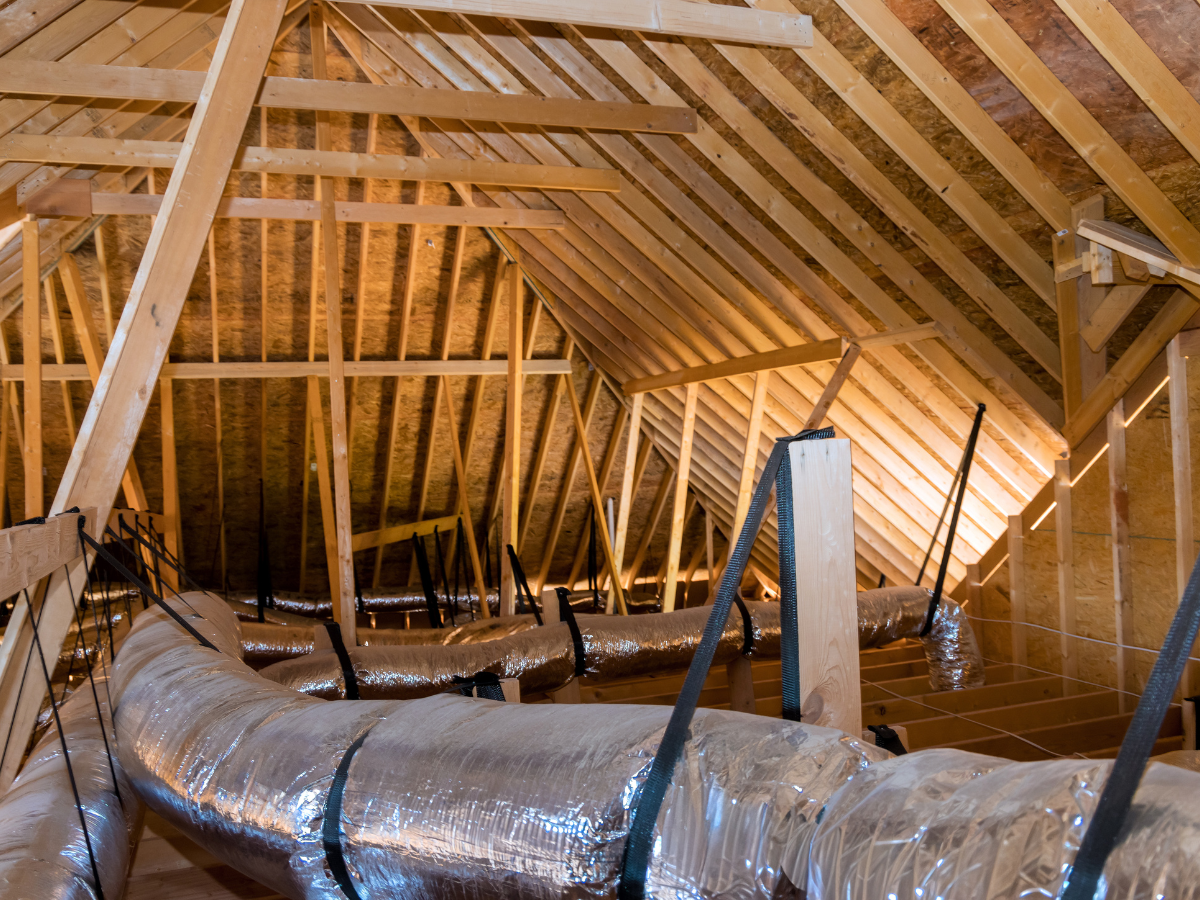
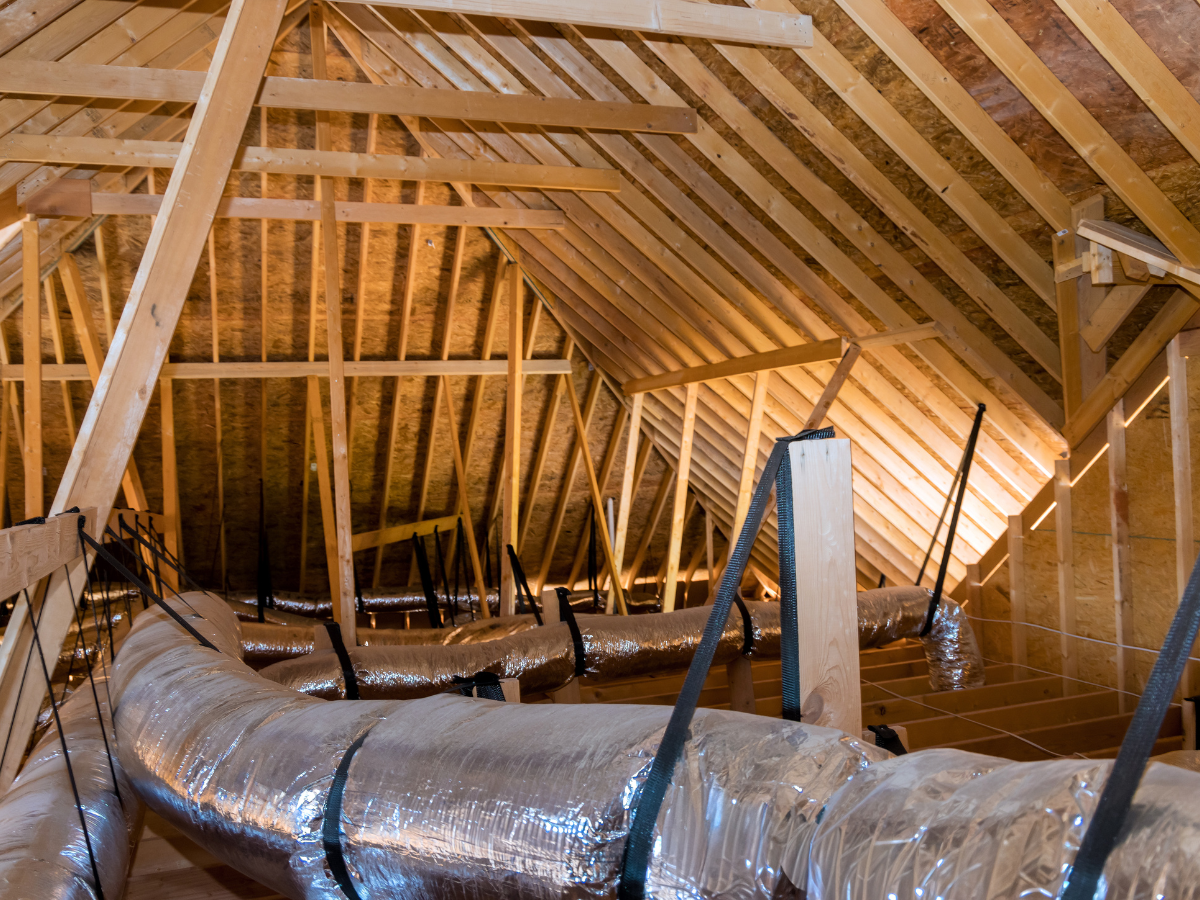
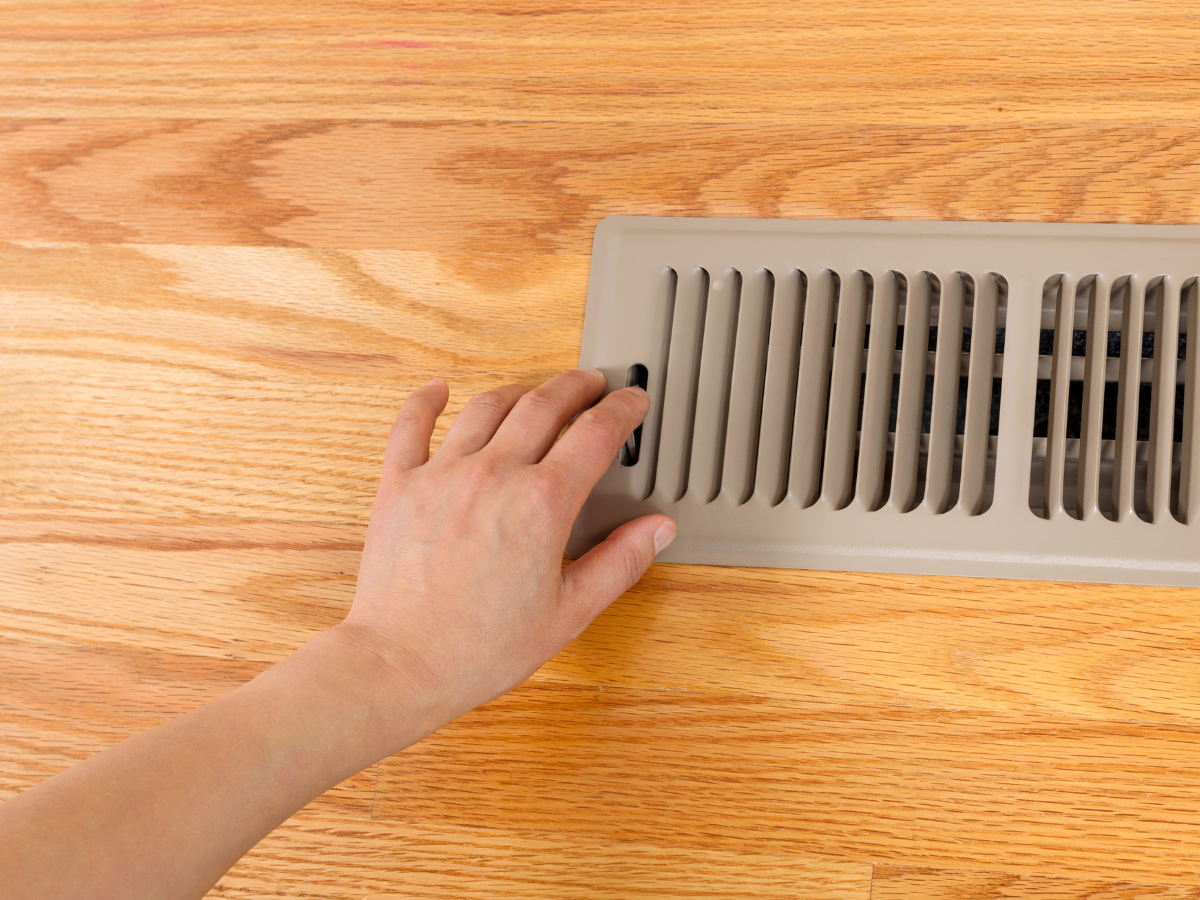
Ducted heating systems operate by distributing warm air through a network of ducts installed throughout the home.
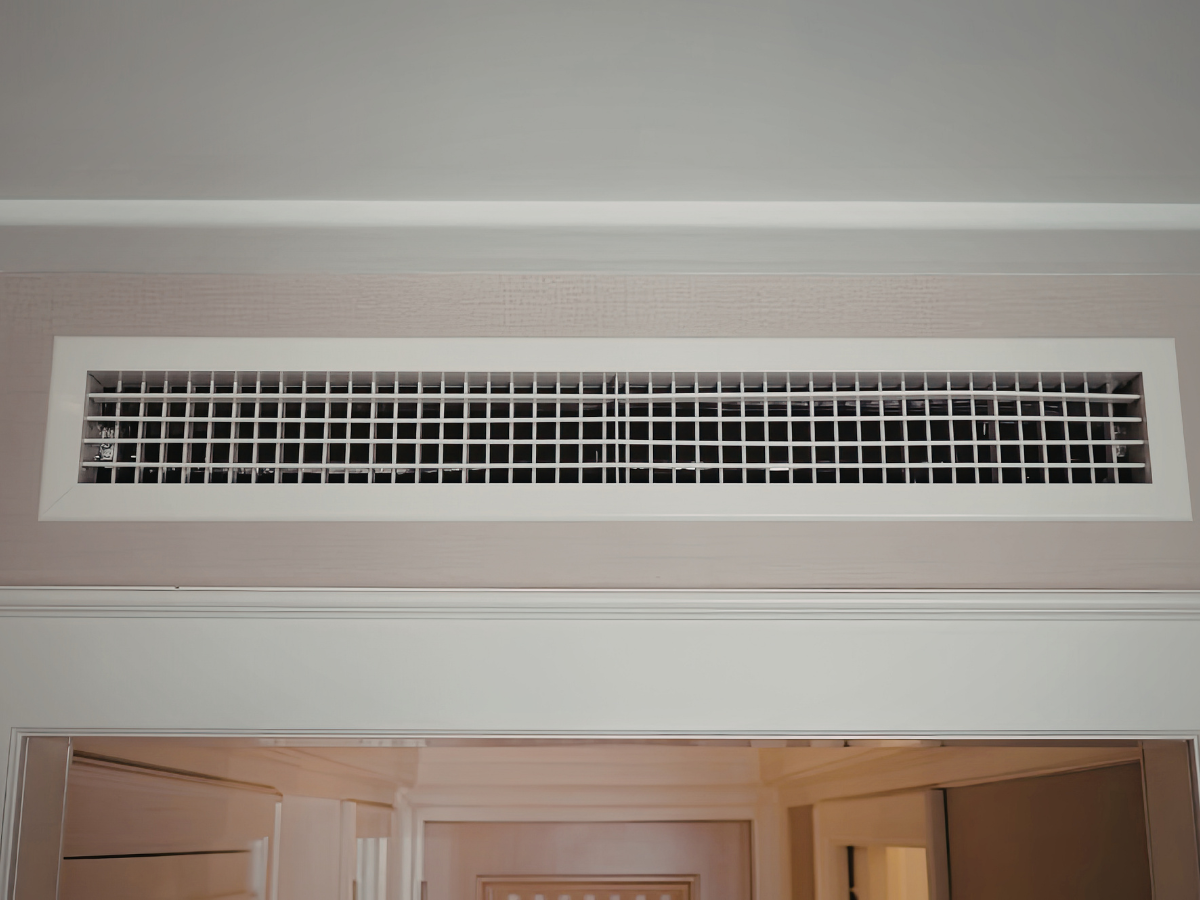
A central heating unit, typically located in the roof cavity, heats the air, which is then pushed through vents in each room.
Key benefits:
Whole home heating: Heats the entire home through strategically placed vents
Aesthetic appeal: Discreet vents integrated into ceilings or floors
Cost efficiency: Higher upfront cost, but can offer long-term savings when combined with zoning
Split System Heating
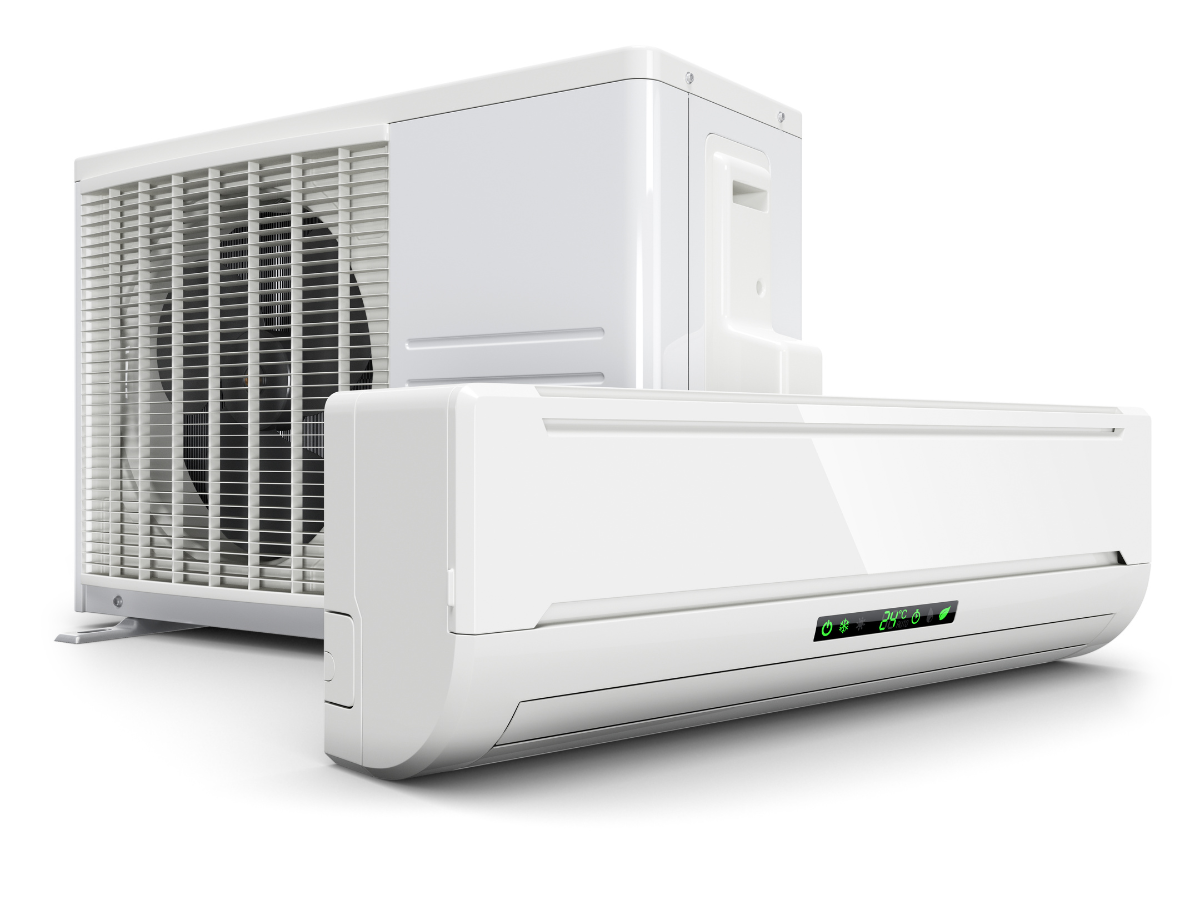
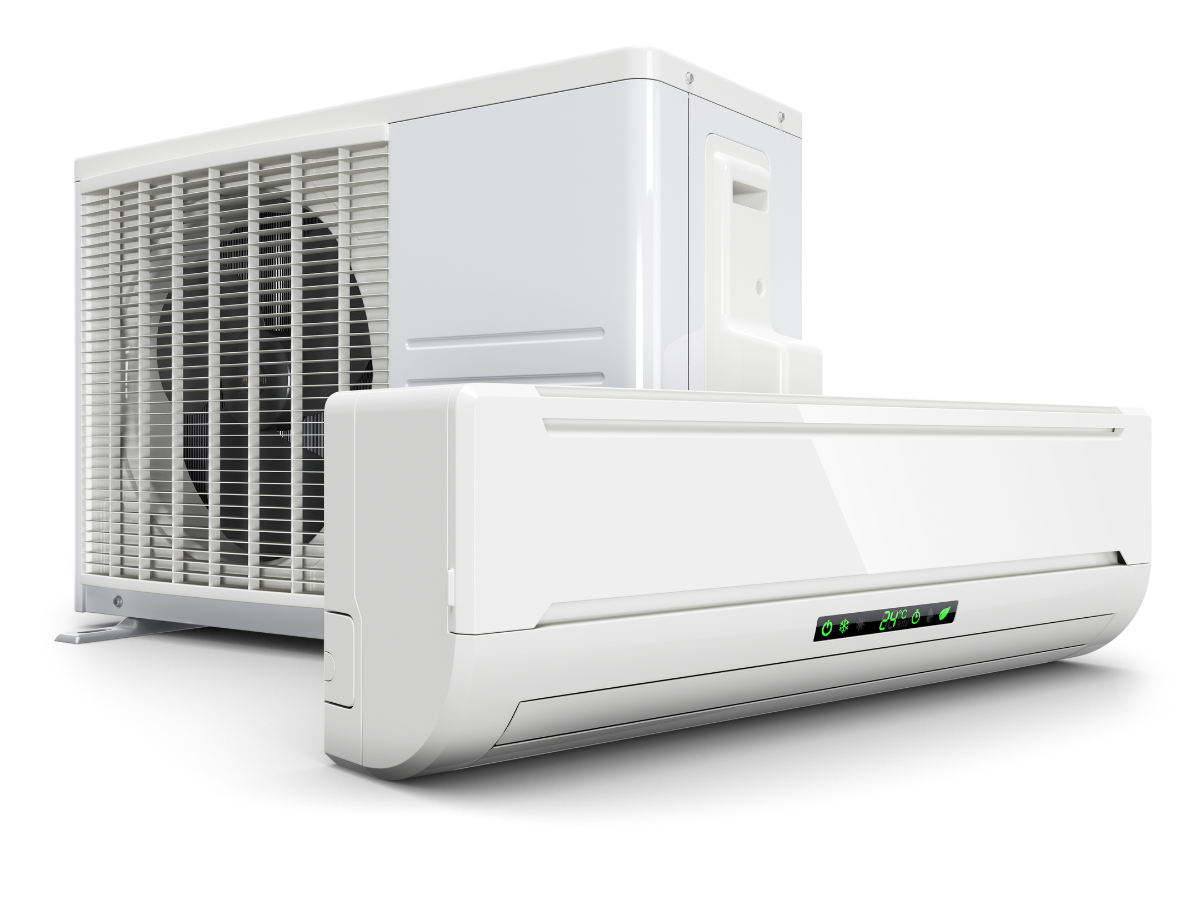
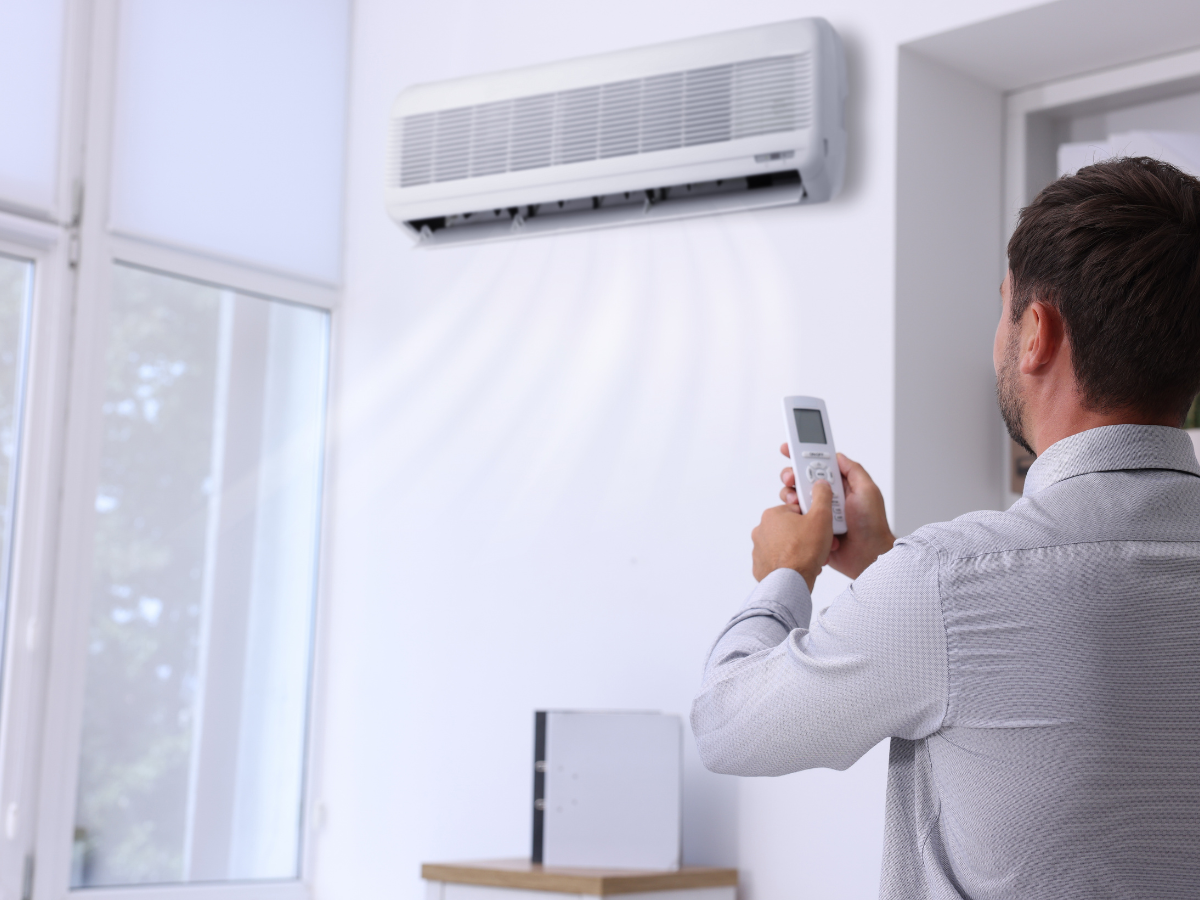
Split systems consist of an outdoor unit connected to one or more indoor wall-mounted units.
They operate by transferring heat from the outdoor unit to the indoor unit using refrigerant.
Key benefits:
Zone control: Heat specific rooms or areas, reducing energy use
Installation flexibility: Ideal for homes without existing ductwork
Energy efficiency: Often highly efficient due to inverter technology
What Should You Consider?
Choosing the right system isn’t just about the unit, it depends on your home and how you live.
Key factors to consider include:
Budget: Upfront investment vs long-term running and maintenance costs
Home size and layout: Whether whole-home heating is needed or zone control is sufficient
Energy efficiency: Systems with higher efficiency ratings and zoning capabilities
Installation requirements: Whether ductwork is feasible in your home
Aesthetic preferences: Discreet vents vs visible wall-mounted units
Side-by-Side Comparison
| Ducted Heating | Split System | |
|---|---|---|
| Similarities | ||
| Heating Coverage | Provides consistent warmth throughout the house | Can effectively heat specific zones or rooms |
| Energy Efficiency | Can be energy-efficient with proper insulation | Often boasts high energy efficiency ratings |
| Differences | ||
| Installation | Requires ductwork installation throughout the house | Does not require ductwork; easier installation |
| Aesthetic Appeal | Discreet vents integrated into ceilings or floors | Sleek indoor units mounted on walls or ceilings |
| Zone Control | Typically limited without zoning | Allows heating of specific areas or rooms |
| Cost | Higher upfront cost due to installation and ductwork | Lower upfront cost with potential energy savings |
| Flexibility | Less flexibility for heating individual rooms | Flexible installation suitable for various spaces |
Which One Is Right for You
Ultimately, the best heating system for your home depends on your individual needs.
Whether you prioritise whole-home comfort, flexibility, energy efficiency or upfront cost, both ducted heating and split systems offer effective solutions when chosen correctly.
If you’re unsure which system is right for your home, the team at Unitests can help you choose the best option based on your space, lifestyle and budget.
Book a service or speak to our team today on 1300 846 688